One day, a yoga student came to me and asked me what I did to be happy.
She was entering a new phase in life: her children were leaving home and her marriage was ending. She was going to be alone for the first time in her life, and wondered how she’d be able to cope with that.
She didn’t ask me what made me happy—her words were well-chosen. She fully understood that our happiness does not come from sources outside of ourselves, like our relationships, career, or money in the bank. At this pivotal point in her life, she realised that she had to fully take charge of her own happiness.
Since I seemed happy to her, living by myself and running my own business without the loving support of a partner or family, she figured I might have some good advice. I felt honoured by her question.
We sat down in my yoga studio (where I always feel happy) and talked. I told her about all the small, mindful practices that I have integrated into my daily life over the years that bring me peace of mind and happiness. For now, I’d like to focus on just one of those practices:
Gratitude.
It’s a big one for me.
Gratitude is a much-used word these days. Every third quote on Facebook seems to mention it, and it is being posited as the secret to happiness.
If you just start being grateful, they say, happiness will find you easily.
Is it really that easy? Or is everybody just talking about it without really following their own advice? How many of them actually practice honoring the good things that happen to them on a daily basis? Is gratitude becoming a platitude?
Some people think gratitude as a recipe for happiness is bullsh*t. Not me.
Taking a conscious moment every morning and every evening to acknowledge my abundance is one of my favourite mindfulness practices, and one that I always share with my yoga students at the end of class. It cranks up my levels of happiness without fail.
In the morning, I take stock of all the things I have and can do every day, the constant factors in my life. From the privilege of living where I live to the fresh air I can breathe. From my health to my (relative) wealth to my lovely little yoga and massage studio, and everything that it allows me to do. It offers me so many opportunities for personal and spiritual growth—I get to learn and share, and deeply enjoy the fulfilment it brings me every day.
Throughout my day, I will stop myself for a moment to really appreciate something, whether it’s an intensely pink flower or a cup of jasmine tea, a ripe avocado brought by my landlord or a visit from the little girl next door.
Even though I’m mentioning objects or people here, the real focus of my gratitude practice is the experience that comes with them.
In the evening, when I lay my head on my pillow, I go through my day and highlight the pleasurable things that happened. Then, I fall asleep within five minutes of lying down.
Taking these moments to feel appreciative can help ground us and bring us into the present, take us out of our worrying heads filled with stressful thoughts, and give us short moments of relief and reset.
Some people say that we have to watch that we’re not making our gratitude prayers into a kind of shopping list of all the simple little things in life, but I don’t agree with that.
Giving thanks can go as deep or as stay as superficial as we like.
If our joy wells up over our dog or the oatmeal cookies we had with our tea, there’s nothing wrong with that. Louise Hay expresses gratitude for her bed every morning when she wakes up rested.
Some days there are big and profound things to be intensely grateful for, some days it’s a whole list of tiny, seemingly insignificant things that add up to a giant feeling of wealth and happiness.
We can give recognition for personal things, or for things happening out in the world.
And if we really cannot come up with a single thing to honor about our day, then we can still acknowledge the wealth of having two eyes, two feet, 10 fingers, or a mouth to speak with—or just the simple fact that we woke up this morning (because some people didn’t—just saying). We can always find something to be grateful about.
The act of focusing on what feels good does several things that are beneficial to our emotional and mental well-being.
When we look at all the good things in our day, we don’t dwell on the bad things. Especially at night, before bed, remembering the good stuff can save us hours of sleepless rumination over things that went wrong during the day. When we focus on gratitude, these thoughts just don’t get space in our head.
I’m not saying that we should deny and push away the bad stuff in our lives. But, it makes more sense to address these issues during the day, with a fresh mind and waking hours ahead of us, instead of just before we want to sleep.
Secondly, and this one is big, gratitude sits at the other end of the emotional spectrum of desire, want, need, and lack.
I don’t think anyone will deny that all of those emotions are recipes for unhappiness.
When we focus on our unfulfilled desires (material wealth, a loving partner, success), we find ourselves in a mindset of lack and poverty until we get or achieve all those things, even if we already have plenty to be grateful for.
Constantly generating new needs and desires creates a never-ending cycle that may temporarily connect us with happiness as a need is met, but will always leave us wanting more. A gratitude practice takes us away from that attitude of not-enough, and will make it easier to stand still in contentment for longer periods of time.
Simply put, gratitude implies fulfilment.
I would love to hear from you what you would put in your gratitude prayer. Please share them in the comments below!
“We can only be said to be alive in those moments when our hearts are conscious of our treasures.” ~ Thornton Wilder
This article was first published on www.elephantjournal.com on August 30, 2017
 2. The Rain: OK, I confess, sometimes I have to force myself to love the rain. But imagine the first rains after months of dry hot weather. It is the most refreshing thing ever. I will take rain-showers, literally just standing outside washing myself in the downpour. It’s a most invigorating and super fun experience, and both my skin and hair love it! The rain saves you work, because you don’t have to water all your plants, and you can catch the water running down from the roof to water those that are not exposed, and to wash your laundry. Your clothes just feel and smell different when they have been washed with rainwater. As annoying as rainy season can be, with days of intermittent showers and squalls or 24 hours continuous downpours, we have to be grateful for all that water. It replenishes our aquifer and allows us to live on this little rock. We are totally dependent on the rains for all our daily water use. And after all the heat and sweat and always being outside, sometimes it is nice to be forced by the rains to go inside and do something indoors, without having sweat running down your spine. You have to love the rain!
 6. The Bugs: they are beautiful! At least, quite a few of them. Colourful butterflies, amazing moths, bright red dragonflies, bright green grasshoppers, the most amazing beetles, caterpillars and (tiny) praying mantises, and have you ever taken a good look at a cockroach? It’s actually quite a beautiful creature. So is a tarantula. We have banana spiders here who have a miniature skull face painted on their backs. Ants have intricate ways of communicating and working together, never giving up their tasks. Watching a mosquito from close by, seeing how it lifts its hind legs, is quite interesting. But then you just smack them on the head. Mosquitoes and sand flies offer excellent training in letting go. Letting go of wanting to be in control, because you can’t. Letting go of being annoyed by their high pitched buzz, because you can’t stop them. Letting go of the need to scratch an itchy bite, because you will cause it to get infected (you can stop yourself). Thank you bugs, for providing us with multiple reminders to let go and relax.
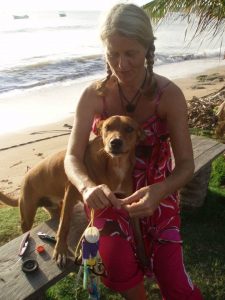 7. The Dogs: they are so much fun! Most island dogs run around free, and choose whom they want to hang out with for the day. They may be your best friend for a couple of days, until they run into someone else that all of a sudden becomes their preferred company (probably a better bite from a hamburger). Most dogs have names, and we all know them by their name. So we greet all dogs just like we greet each other. They are an integral part of the island community, are allowed in most restaurants, feature in lots of tourist’s pictures, get their own Facebook pages and are missed by many when they pass away. I’m a cat person, but I love the simplicity of dogs too.
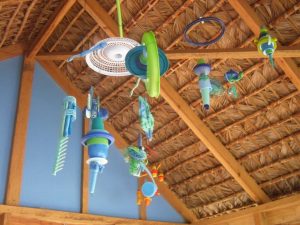 al islands: for a lot of us living here and being responsible for our own trash has made us very conscious of it. Some of us have started to shop more consciously, looking for things in bulk, creating less trash. I personally have let go of most processed foods, to avoid trash. So in a way I can thank trash for a healthier diet with mostly whole foods. It also makes us more resourceful, finding creative ways to recycle it, like stuffing soft plastics in cushions for the beach, or reusing PVC-pipes used for pouring cement posts to organise T-shirts in the gift shop. I have made a lot of fun things out of beach trash, and it is my way of not getting totally sad and upset about all that rubbish sitting on the beach. Watching the giant Karma Shack mobile made of beach trash slowly doing its never-ending choreography makes a lot of people feel good.
 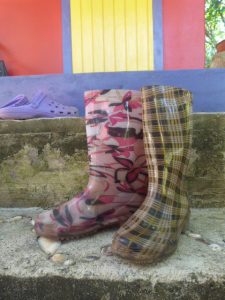 ern life is a daily struggle of choices, taking up a lot of your time. All day long. A lot of them are choices about stuff that you buy to wear, to use, to eat or drink. On a little tropical island there is not a whole lot to choose from, and it leaves you with lots of time and energy to do other things, or think about other things. The realisation that you won’t die when you don’t get your favourite coffee, your preferred sweet rolls or flip-flops that match your bathing suit, means that you are growing away from a highly materialist life of having, and start to get more into the mode of just being (I even have a pair of non-matching rubber boots). If you can handle the limited availability of basic things, you have passed one of the main rites of passage for life on a tropical island (in my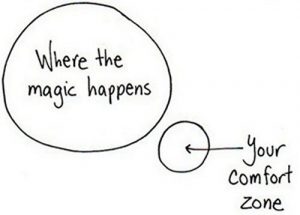
 the bucketful), white sandy beaches and turquoise seas (with one lost crocodile that is keeping us from swimming at the moment), a relaxed lifestyle (for most of us) and a hammock (I personally believe I have the best hammock on the island).
 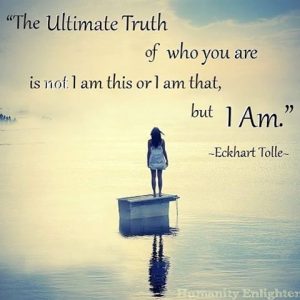 f about the personal stories that we tell about ourselves, and how we can get really stuck in them, or attached to them, while we actually have the option to change that story every minute of our conscious life. After reading that, I was even less willing to repeat my ‘island story’ time and again, and I would kindly explain the asker why I didn’t want to answer. I was going through this phase where I really wanted to let go of my story and just be in the moment, not attached to the past.
 Why does everybody ask the same questions? Do we have an innate human need to know certain things, or is it cultural behaviour? Are certain questions age or nation-related? Which questions are asked to confirm their beliefs, and which ones are meant to explore beyond the limits of their comfort zone? How much do people idealise life on a tropical island, and to what measure do they want to see it confirmed as an unattainable goal?